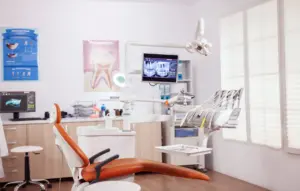
A healthy smile is more than just an aesthetic feature—it’s a window to your overall health. Good oral hygiene helps prevent cavities, gum disease, tooth loss, and even systemic health issues like heart disease and diabetes. Whether you’re trying to improve your daily dental routine, understand treatments, or prepare for a dental visit, this comprehensive guide covers everything you need to know.
1. Why Oral Health Matters
Many people believe dental care is only about brushing, flossing, or visiting a dentist once in a while. But oral health plays a much bigger role in your well-being.
1.1 A Healthy Mouth Supports a Healthy Body
Poor oral hygiene can lead to harmful bacteria entering the bloodstream. Studies have linked gum disease with:
- Heart complications
- Diabetes
- Respiratory infections
- Low birth weight in infants
Taking care of your teeth is an investment in your overall health.
1.2 Confidence and Self-Esteem
Your smile is one of the first things people notice about you. Healthy, clean teeth help boost confidence when you speak, laugh, or take photos.
2. Understanding Common Dental Problems
Before exploring treatments and preventive care, it’s important to understand the issues most patients face.
2.1 Cavities (Tooth Decay)
Cavities form when bacteria break down the enamel. Common causes include sugary foods, poor brushing, and skipping dental check-ups.
2.2 Gum Disease
Gum disease (gingivitis and periodontitis) is caused by plaque accumulation. Symptoms include:
- Bleeding gums
- Persistent bad breath
- Gum recession
If untreated, gum disease can lead to tooth loss.
2.3 Tooth Sensitivity
Sensitivity can occur due to enamel erosion, exposed roots, or cracked teeth. Certain foods (cold, hot, sweet) may trigger discomfort.
2.4 Bad Breath
Also known as halitosis, this is usually caused by plaque, dry mouth, or infections.
2.5 Tooth Loss
Missing teeth can affect chewing, speech, and jawbone structure. Modern dental solutions like implants restore function and aesthetics.
3. Daily Oral Care Routine for Stronger Teeth
A consistent routine is the foundation of good dental health.
3.1 Brush Twice a Day
Use a soft-bristle toothbrush and fluoride toothpaste. Brush for at least 2 minutes, focusing on all tooth surfaces.
3.2 Floss Once a Day
Flossing removes food particles and plaque from areas your brush can’t reach.
3.3 Use Mouthwash
An antibacterial mouthwash helps reduce plaque, freshen breath, and prevent gum disease.
3.4 Stay Hydrated
Drinking plenty of water keeps your mouth moist and naturally washes away bacteria.
3.5 Eat a Tooth-Friendly Diet
Foods that support dental health include:
- Dairy products (calcium-rich)
- Leafy greens
- Nuts
- Fresh fruits and vegetables
Avoid excessive sugar, sodas, and sticky snacks.
4. Professional Dental Services You May Need
Modern dentistry offers a wide range of treatments to help you maintain or restore oral health.
4.1 General Dentistry
Ideal for regular maintenance and preventive care. Services include:
- Dental exams
- Cleanings
- X-rays
- Fillings
- Root canals
A general dentist is your first partner in long-term dental health.
4.2 Restorative Dentistry
If you have damaged or missing teeth, restorative procedures can bring back your smile.
4.2.1 Dental Fillings
Used to treat cavities and restore tooth structure.
4.2.2 Crowns and Bridges
Crowns strengthen weakened teeth; bridges replace missing ones.
4.2.3 Dentures
Custom-made removable appliances for multiple missing teeth.
4.2.4 Root Canal Treatment
Removes infected pulp, saves your natural teeth, and eliminates pain.
4.3 Cosmetic Dentistry
These procedures enhance the appearance of your smile.
4.3.1 Teeth Whitening
Removes stains and brightens your smile in one session.
4.3.2 Veneers
Thin shells placed on the front of teeth to correct shape, size, or discoloration.
4.3.3 Smile Makeovers
Combining treatments for a complete smile transformation.
4.4 Implant Dentistry
Dental implants are the most advanced solution for missing teeth.
Benefits of Implants:
- Look and feel natural
- Last for decades
- Protect jawbone structure
- Improve chewing and speech
The implant process involves placing a titanium post in the jawbone, followed by an artificial crown. It’s a long-term investment with life-changing results.
4.5 Emergency Dentistry
Dental emergencies include:
- Severe tooth pain
- Knocked-out tooth
- Broken or chipped teeth
- Lost fillings or crowns
Prompt treatment prevents complications.
5. When Should You Visit the Dentist?
Many people only visit when they feel pain, but prevention is far more effective.
5.1 Regular Check-ups
A visit every 6 months helps detect problems early and maintain oral health.
5.2 Signs You Need a Dentist Immediately
- Persistent toothache
- Swollen or bleeding gums
- Loose teeth
- Jaw pain
- Sensitivity that gets worse
- Mouth sores that don’t heal
If you experience any of these, book an appointment right away.
6. Tips for Children’s Dental Care
Healthy habits start early.
6.1 Start Young
Your child should visit a dentist by age 1 or when their first tooth appears.
6.2 Use Kid-friendly Toothpaste
A pea-sized amount of fluoride toothpaste helps prevent cavities.
6.3 Monitor Sugar Intake
Limit sugary snacks and encourage water instead of juice.
6.4 Teach Proper Brushing Techniques
Guide children until they can brush effectively on their own (usually age 6–7).
7. How Lifestyle Affects Your Dental Health
Your daily habits impact your oral health more than you may think.
7.1 Smoking and Tobacco
Smoking increases risks of gum disease, oral cancer, and tooth discoloration.
7.2 Alcohol Consumption
Excessive alcohol dries the mouth and increases bacterial growth.
7.3 Stress
Grinding or clenching teeth (bruxism) is often caused by stress and can damage teeth over time.
7.4 Diet
Sugary foods, acidic drinks, and sticky snacks contribute heavily to tooth decay.
8. Advanced Dental Technologies Used Today
Modern clinics use the latest technology to enhance accuracy, comfort, and results.
8.1 Digital X-Rays
Safer and faster than traditional X-rays.
8.2 Intraoral Cameras
Allow dentists to show patients high-definition images of problem areas.
8.3 Laser Dentistry
Used for gum reshaping, cavity removal, and treating inflammation.
8.4 3D Imaging for Implants
Ensures precise implant placement and safer procedures.
9. Preparing for Your Dental Appointment
To make the most of your visit:
- Arrive early
- Bring a list of symptoms or questions
- Inform the dentist of medications or medical conditions
- Share your dental history
- Express any concerns or fears
Dentists are trained to make your visit as comfortable as possible.
10. Frequently Asked Questions About Dental Care
Q1: How often should I replace my toothbrush?
Every 3 months or sooner if bristles wear out.
Q2: Are electric toothbrushes better?
Yes, they remove more plaque and improve brushing technique.
Q3: Is flossing really necessary?
Absolutely. It prevents gum disease and cavities between teeth.
Q4: What causes yellow teeth?
Common causes include coffee, tea, smoking, aging, and poor hygiene.
Q5: Does teeth whitening damage enamel?
Professional whitening is safe and does not weaken enamel.
11. Conclusion: Your Smile Is Worth the Care
Dental care isn’t just about avoiding pain—it’s about embracing a healthier lifestyle. With the right habits, regular dental visits, and professional care when needed, you can maintain strong teeth and a bright smile for life.
Whether you’re dealing with tooth pain, thinking about cosmetic improvements, or just want a cleaner, fresher smile—your dentist is here to help.
Take the first step today toward better oral health.